
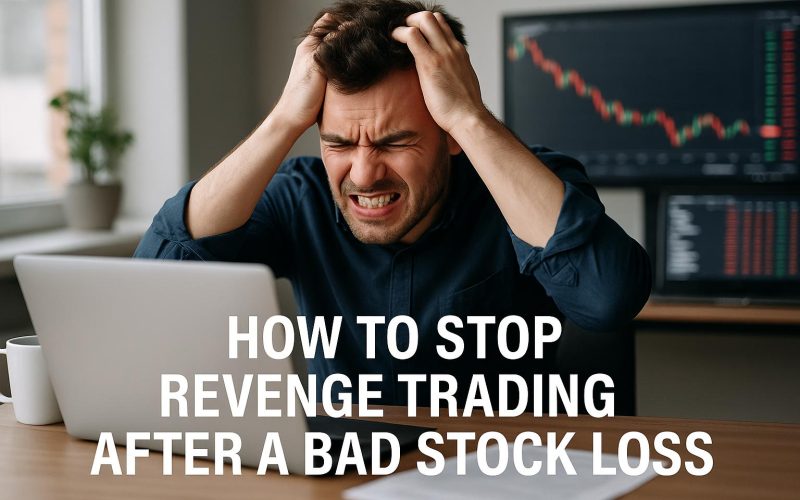
Understanding Revenge Trading
Revenge trading is a common yet often overlooked phenomenon in the world of trading, where individuals attempt to recuperate losses by hastily placing new trades. This impulsive behavior is usually driven by emotions, particularly anger and frustration, rather than by careful analysis and rational decision-making. To mitigate the adverse effects of revenge trading, it is essential first to pinpoint the underlying causes and comprehend how they influence trading behaviors.
Recognizing Emotional Triggers
Emotions significantly influence decision-making in trading, and recognizing these emotional triggers is the first step in understanding revenge trading.
Frustration is a primary emotional trigger. When traders incur a substantial loss, the experience can be profoundly demoralizing. This emotional setback often leads to impulsive decisions as traders seek to quickly conquer the psychological blow they have suffered. Since trading involves the risk of financial loss, not every trade will go according to plan. The challenge lies in managing the frustration that results from such losses.
Desire to Break Even: The urgency to recover losses swiftly can significantly impair judgment. This ‘gambling’ mindset pushes traders into making rash decisions, leading to high-risk trading without adequate analysis or preparation. The impulse to get back what was lost can be overwhelming, sidelining logical strategies in favor of immediate action.
Pride: Experiencing a setback can bruise a trader’s ego, particularly for those who pride themselves on their decision-making skills. In an effort to prove themselves, traders may be tempted to take risks they would typically avoid. This need to redeem themselves can cloud judgment, resulting in further losses and continued engagement in revenge trading.
Establishing a Trading Plan
To counter the emotional responses that fuel revenge trading, establishing a comprehensive trading plan is critical. Such a plan serves as a framework for making informed decisions rather than emotional reactions.
Start with Set Trading Goals: Traders should identify realistic short-term and long-term objectives, helping them maintain focus and avoid distractions. Clear goals provide direction and a sense of accomplishment when achieved, reducing the tendency to act on impulse.
Incorporate Risk Management: This involves establishing clear rules about the amount of capital that can be risked on each trade. By defining these parameters, traders limit potential losses, reducing the need to engage in revenge trading. Risk management strategies, such as diversifying investments and setting limits on trade sizes, are essential in maintaining a balanced trading portfolio.
Implementing Stop-Loss Orders
Stop-loss orders are practical tools in managing risk and preventing significant losses. By automatically selling a stock when it reaches a predetermined price, stop-loss orders protect traders from the temptation to act impulsively following a loss. These orders are crucial for maintaining discipline and ensuring that a single loss does not spiral into a series of unplanned trades.
Documenting Trades
Maintaining a detailed trading journal is a valuable practice for gaining insight into personal trading behaviors and decision-making patterns. Documenting each trade, including successes, failures, and the strategies employed, fosters an environment for learning and improvement. By identifying patterns such as revenge trading, traders can make informed, data-driven decisions instead of emotional reactions.
Seeking Support and Resources
Engaging with a community of traders or professionals can be an effective way to counteract the emotional challenges of trading. A community provides diverse perspectives and guidance, offering support and motivation to adhere to a trading plan. Various online forums and resource centers cater to traders seeking advice on emotional trading difficulties and strategies for managing them.
For instance, seeking out platforms like the BabyPips website offers a wealth of educational material on trading strategies and emotional management. Utilizing such resources ensures that traders continually develop their skills and remain informed of effective strategies.
Practicing Patience and Discipline
Adhering to a predetermined trading plan requires significant discipline and patience. It’s essential to remember that trading is a long-term venture, and immediate recovery from losses is not always feasible. By concentrating on strategic trades rather than emotional responses, traders can gradually enhance their decision-making skills. Patience enables traders to assess situations objectively, leading to more informed and profitable trading decisions over time.
Conclusion
Revenge trading can significantly impact a trader’s financial health and emotional well-being. To prevent this behavior, traders must recognize the emotional triggers underpinning their decisions, implement effective risk management techniques, and adhere to a disciplined trading strategy. By understanding these elements and utilizing available resources, traders can effectively manage their emotions, maintain focus on their trading plans, and avoid the pitfalls associated with revenge trading. The journey involves continuous learning, practicing patience, and building resilience against emotional decision-making, gradually leading to more sustainable and successful trading endeavors.
This article was last updated on: August 25, 2026