
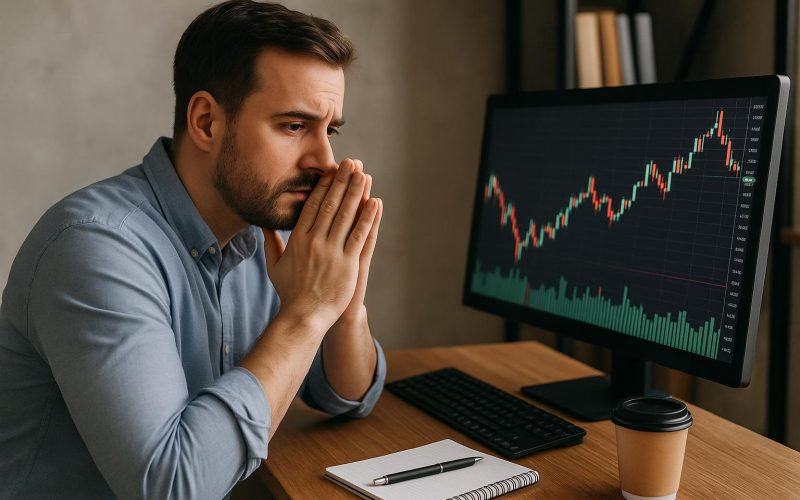
Understanding the Importance of Patience in Stock Trading
In the complex and often unpredictable world of stock trading, an often overlooked yet fundamentally important skill is patience. Many traders, especially beginners, might find themselves acting on impulse, driven by the rapidly changing nature of stock prices and market sentiments. However, acting hastily can often result in decisions that are counterproductive to the ultimate goal of building a robust trading portfolio. Developing a sense of patience is key to making informed and thoughtful decisions that can maximize returns and minimize potential risks.
The Role of Emotions in Trading
The influence of emotions on trading decisions cannot be understated. Emotions, such as fear and greed, are powerful forces that can cloud judgment and lead to premature buy or sell actions. These emotional responses are often triggered by short-term market volatility, which can be misleading. By cultivating patience, traders equip themselves with the ability to step back and assess situations more objectively. This helps in neutralizing emotional biases and supports a more strategic approach to trading, aligning actions with long-term financial goals rather than momentary market fluctuations.
Setting Realistic Goals
A foundational step towards building patience in trading is setting realistic goals. It is important to consider both short-term and long-term objectives when creating a trading strategy. By establishing achievable milestones, traders can maintain discipline and resist the urge to act impulsively. For instance, aiming for modest and consistent profits over time rather than chasing rapid gains can solidify a disciplined approach to trading. This not only prevents the frustration commonly associated with missed opportunities but also promotes a steady and patient mindset.
Adopting a Long-Term Perspective
One of the most effective ways to cultivate patience in stock trading is by adopting a long-term perspective. Many traders fall into the trap of being overly concerned with short-term market fluctuations, often leading to hasty decisions. However, a seasoned trader understands that stocks, while subject to periodic fluctuations due to various market conditions, generally tend to appreciate over time. A patient trader, therefore, focuses on the big picture rather than transient shifts. By emphasizing a long-term investment strategy, traders are more likely to experience growth and stability, which fosters an environment of patience and confidence.
Analyzing Market Conditions
Thorough market analysis is a crucial component of informed trading decisions. Rushing into trades without a comprehensive understanding of prevailing market conditions can lead to significant losses. A patient trader takes the time to conduct detailed analyses using various methods like technical analysis and fundamental analysis. By staying informed about economic indicators and market trends, traders can make decisions based on concrete data rather than speculation or hearsay. This analytical approach reduces susceptibility to market hype and supports patient decision-making, leading to more consistent outcomes.
Leveraging Technology and Tools
In today’s technologically advanced trading environment, leveraging the myriad of available tools and technologies can significantly aid in developing patience. Many traders now have access to *advanced analytical tools* and *algorithmic trading platforms* that provide data-driven insights into market trends. Features such as price alerts and automated trading systems allow traders to make calculated decisions based on real-time data without letting emotions take over. By relying on technology, traders are better equipped to wait patiently for favorable market conditions, thereby avoiding the pitfalls of emotional trading.
Conclusion
In conclusion, cultivating patience is not just a valuable trait but an essential skill for anyone engaged in stock trading. It serves as the foundation for making sound, strategic decisions. By prioritizing realistic goal setting, maintaining a long-term perspective, conducting thorough market analysis, and utilizing technology and tools, traders can effectively develop the patience needed for long-term success. This disciplined approach not only enhances trading performance but also builds resilience against the inherent unpredictability of stock markets. For those interested in further developing their trading strategies and improving trading discipline, exploring reputable financial education sources can provide additional insights and guidance.
This article was last updated on: August 7, 2026