
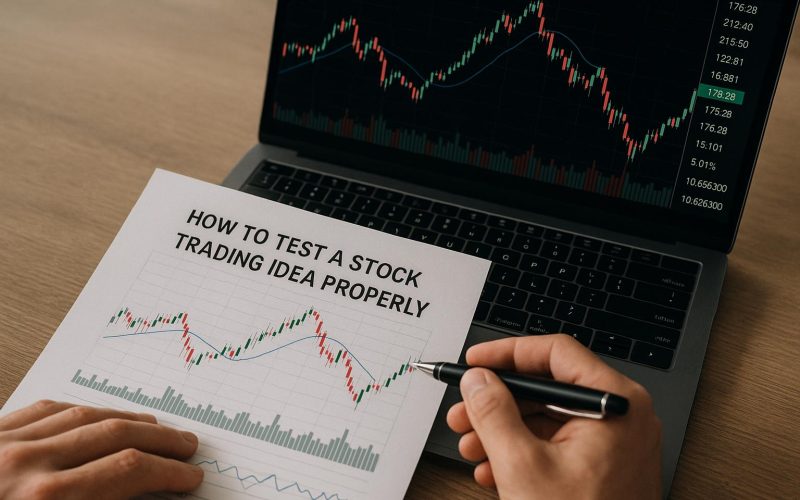
Identifying a Stock Trading Idea
In the world of stock trading, one of the most crucial steps that traders must undertake is developing a viable trading idea. This foundational concept can arise from a diverse array of sources, including observing overarching market trends, analyzing economic indicators, or paying attention to significant events related to particular companies. A well-grounded trading idea doesn’t just appear out of thin air; it requires methodical and detailed research. By delving into historical data and scrutinizing financial reports, traders can unearth patterns that might suggest potential movements in stock prices. Moreover, taking advantage of platforms that specialize in technical analysis can yield additional insights that bolster the robustness of the trading idea.
Hypothesis Formulation
Upon generating a preliminary trading idea, the subsequent step involves transforming this idea into a hypothesis that can be empirically tested. A well-constructed hypothesis should clearly delineate the anticipated behavior of a stock when certain conditions are met. For example, a trader who notices a particular stock’s tendency to consistently ascend following the release of quarterly earnings reports might conjecture: If the company exceeds its quarterly earnings projections, then its stock price will rise by a minimum of 5% over the subsequent trading week. This hypothesis not only sets clear expectations but also lays the groundwork for further testing.
Data Collection
To substantiate any trading hypothesis, comprehensive data collection is indispensable. Data for this purpose can be amassed from a myriad of sources, such as historical stock price data, trading volumes, and pertinent economic indicators. The essence of this phase is to ensure that the collected data is both precise and extensive, covering a sufficiently large timespan to constitute a robust dataset for hypothesis testing. Accurate data forms the bedrock upon which the subsequent analysis and decision-making are built.
Backtesting the Hypothesis
Backtesting represents a pivotal step in the validation of a trading hypothesis. This process entails employing historical data to evaluate how the conceived trading strategy might have performed over time. Backtesting involves applying the trading strategy to past data and meticulously analyzing the ensuing outcomes. It is vital during this process to consider various market environments to ensure that the strategy exhibits resilience. Tools, including specialized software, greatly aid in this endeavor, allowing traders to efficiently simulate and scrutinize different scenarios.
Analyzing Backtest Results
The analysis of the results derived from backtesting serves as a crucial method to ascertain the validity of the trading hypothesis. Several key metrics emerge as focal points in this analysis, including the strategy’s win/loss ratio, the average gain per trade, and the maximum drawdown experienced. These metrics collectively offer insights into the potential risks and returns associated with the trading idea. While a successful backtest does not unequivocally predict future profitability, it does instill a foundational level of confidence in the efficacy of the proposed strategy.
Forward Testing
Following the positive results from backtesting, forward testing, also known as paper trading, is recommended to further affirm the soundness of a trading strategy. In forward testing, traders apply the strategy in real-time on a simulated trading platform. This method offers the benefit of observing the strategy’s performance under current market conditions, all without financial risk. Through forward testing, traders gain the opportunity to refine and make necessary adjustments to their strategy based on observations in real-world scenarios.
Continuous Evaluation and Adjustment
The stock market is inherently dynamic and continually evolving. As a result, it is imperative for traders to engage in ongoing evaluation and adjustment of their trading strategies. Regularly revisiting the original hypothesis and adapting it in response to new data and market conditions can significantly help in maintaining its relevance and effectiveness. This process of continuous improvement ensures that the strategy remains aligned with the ever-changing market landscape.
To further enhance one’s proficiency in understanding stock trading strategies and testing methodologies, traders might consider exploring resources provided by financial institutions or educational platforms that specialize in trading analysis. These platforms often offer valuable insights and advanced techniques that can contribute to the refinement of trading skills and strategies, ensuring traders are well-equipped to navigate the complexities of the financial markets.
This article was last updated on: May 15, 2026