
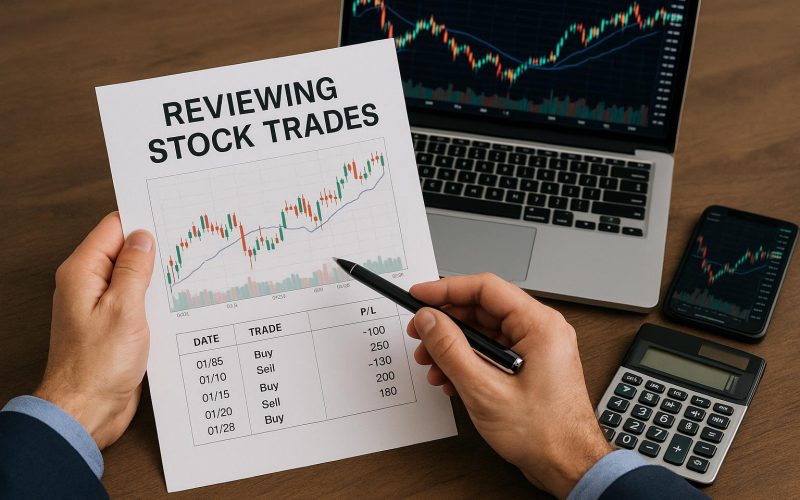
Understanding the Importance of Reviewing Stock Trades
Reviewing stock trades is a fundamental aspect for any investor who aims to perfect their trading techniques and enhance the overall trading acumen. It assists in discerning patterns, both favorable and unfavorable, leading to a more profound comprehension of market dynamics. By scrutinizing past trades, investors gain the ability to refine strategies and make more informed decisions.
The Process of Reviewing Trades
A structured approach is essential for effectively reviewing trades. It begins with gathering all pertinent data, including trade dates, prices, and outcomes. Maintaining a trading journal can be particularly beneficial, as it allows you to document your thoughts and emotional state during each trade. This documentation process can uncover insights not immediately evident from mere numerical data.
Analyze the Data
With your data organized, delve into examining each trade’s specifics. Look for indicative patterns or recurring errors. It is essential to ask yourself crucial questions:
- What was the rationale behind entering each trade?
- Did the trade adhere to the pre-established plan?
- What was the result compared to initial expectations?
Answering these questions supports the identification of areas requiring improvement.
Utilizing Analytical Tools
Numerous tools are accessible to assist in stock trade analysis. Spreadsheet applications such as Excel can support the tracking and analysis of trades, while specialized software offers advanced charting and statistical analysis capabilities.
Leverage Online Resources
Consider engaging with online trading communities or forums. These platforms present opportunities to exchange strategies and gain constructive feedback from fellow traders. Certain resources also offer analytics tools designed to automate portions of the review process. Participating in these communities can significantly enhance your learning trajectory. It’s important, however, to verify the credibility of these sites before relying on them.
Identifying Strengths and Weaknesses
The primary goal in reviewing trades is to pinpoint personal strengths and weaknesses. Understanding which strategies are successful allows for their replication, whereas awareness of failures provides valuable lessons to help avoid similar errors in the future.
Establishing a Learning Mindset
When reviewing past trades, maintain an open-minded approach. The objective is not to harshly criticize former decisions, but to learn from them. Embrace both achievements and setbacks with a critical yet constructive lens.
Applying Insights for Future Trades
Upon thoroughly reviewing and analyzing your trades, applying the lessons learned is essential. Modify your trading strategies based on the analysis to ensure alignment with your objectives. Monitoring progress over time is integral to determining whether these adjustments lead to improvements in trading performance.
Continuous Learning
The process of reviewing trades should be seen as ongoing rather than a singular event. Regular reviews enable adaptation to current market conditions, ensuring that investment decisions remain sound. Remaining updated with market analyses and external resources will aid in sustaining a well-informed trading approach.
Additional Resources
For those seeking to further enhance their trading skills, exploring resources on advanced trading strategies can be beneficial. Continuous refinement and adaptation of your approach in response to the evolving market landscape will inevitably lead to progression and proficiency as a trader. By consistently implementing these practices, the opportunity for growth and improvement in your trading endeavors becomes boundless.
This article was last updated on: June 25, 2026